Editorial · 2025
Annual Report
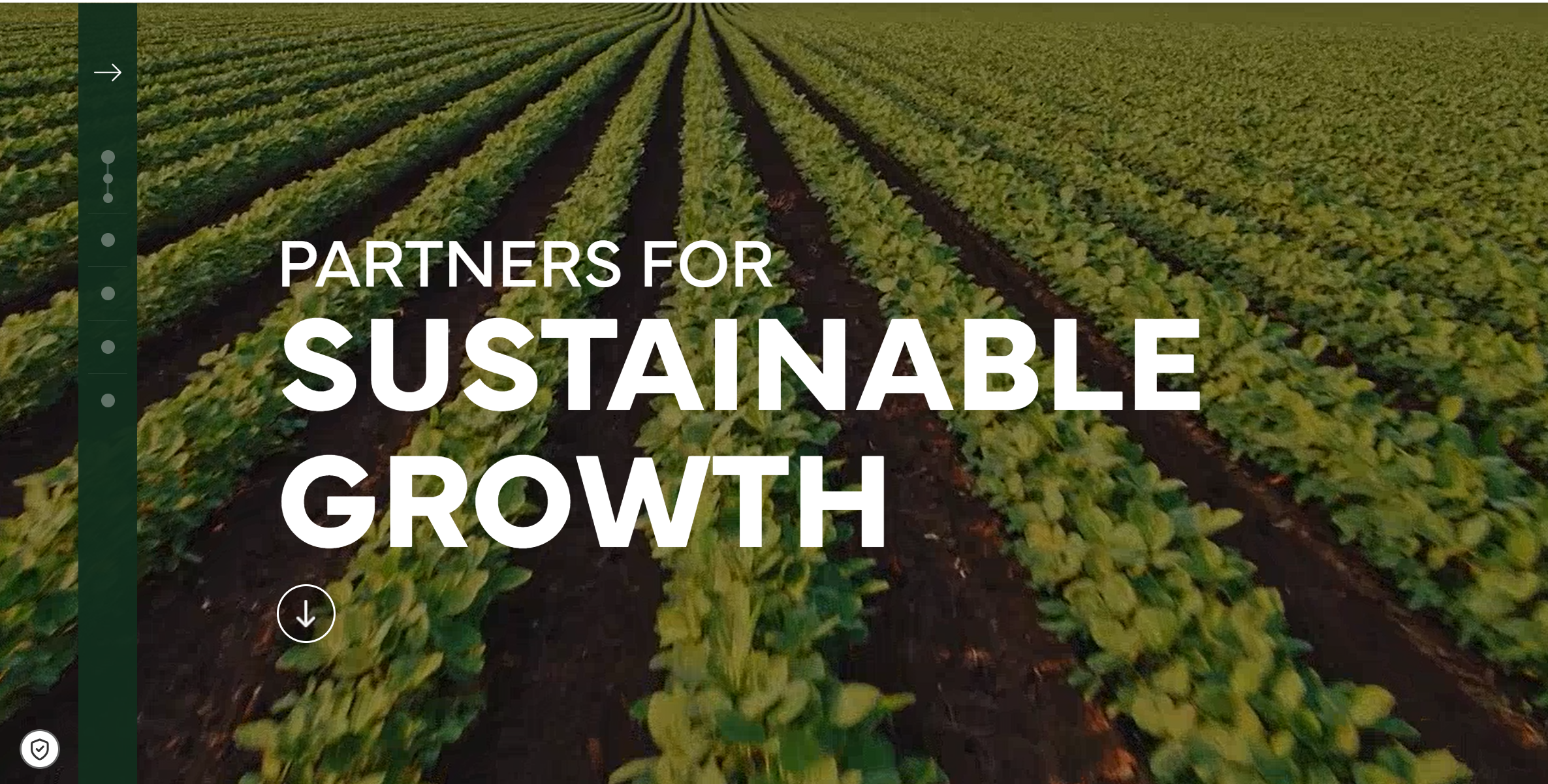
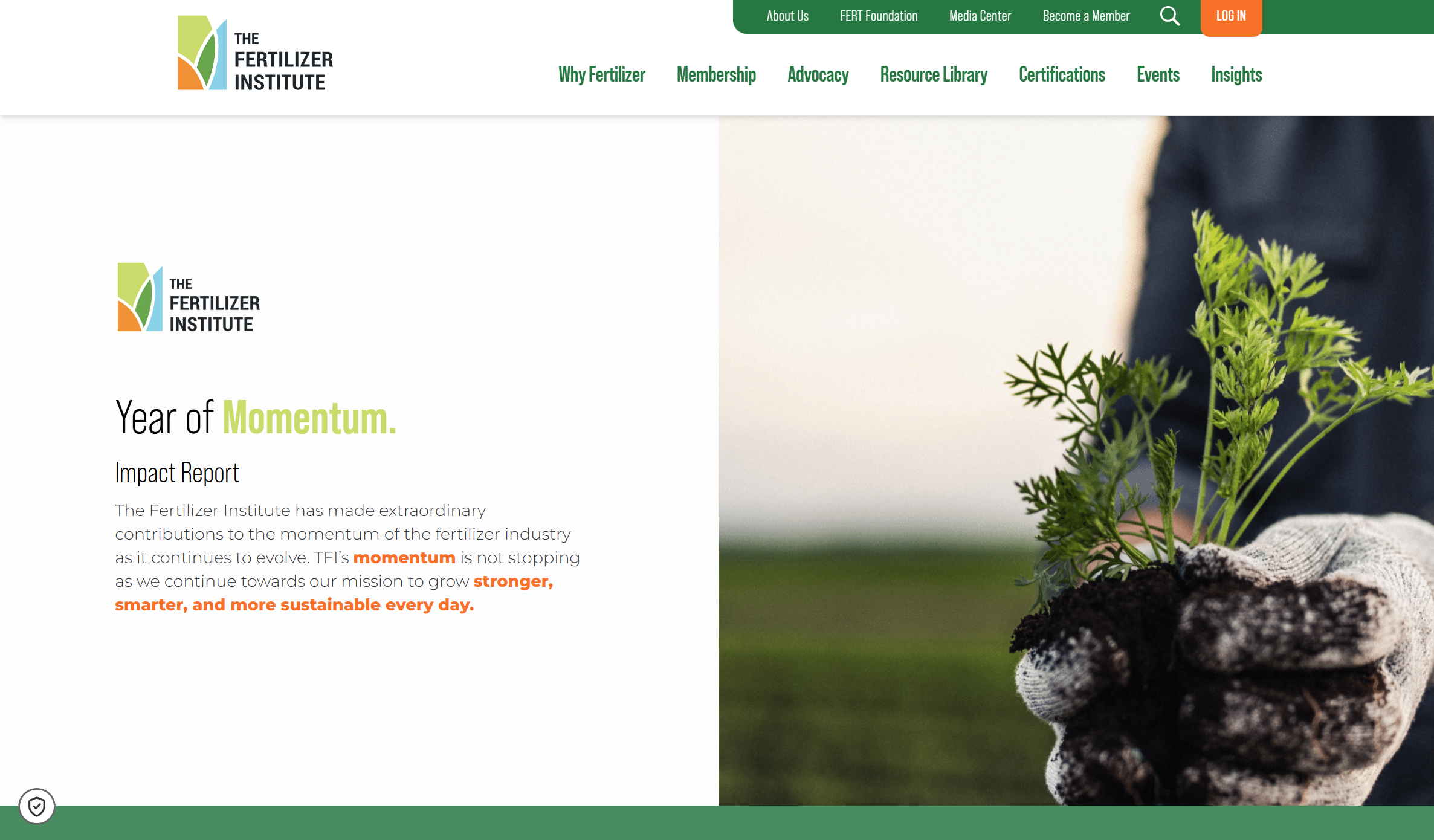
An annual report rebuilt as a story — a year of work for The Fertilizer Institute, structured as a single narrative arc rather than a stack of unrelated updates.
Methods
Stakeholder Mapping · Editorial design · Art direction
Team
- The Lukens Company — Design and production
Live
View live →The problem
An annual report is more than a recap — it's a chance to shape how an organization tells its story. The risk is letting it become a binder of disconnected updates instead of a single argument about the year.
I led client-side creative direction and project oversight for TFI’s 2025 Annual Report, working closely with The Lukens Company to develop the visual direction and bring the report to life.
An annual report is more than a recap — it’s a chance to shape how an organization tells its story. The challenge was keeping the report distinctly its own thing while staying consistent with TFI’s broader brand.
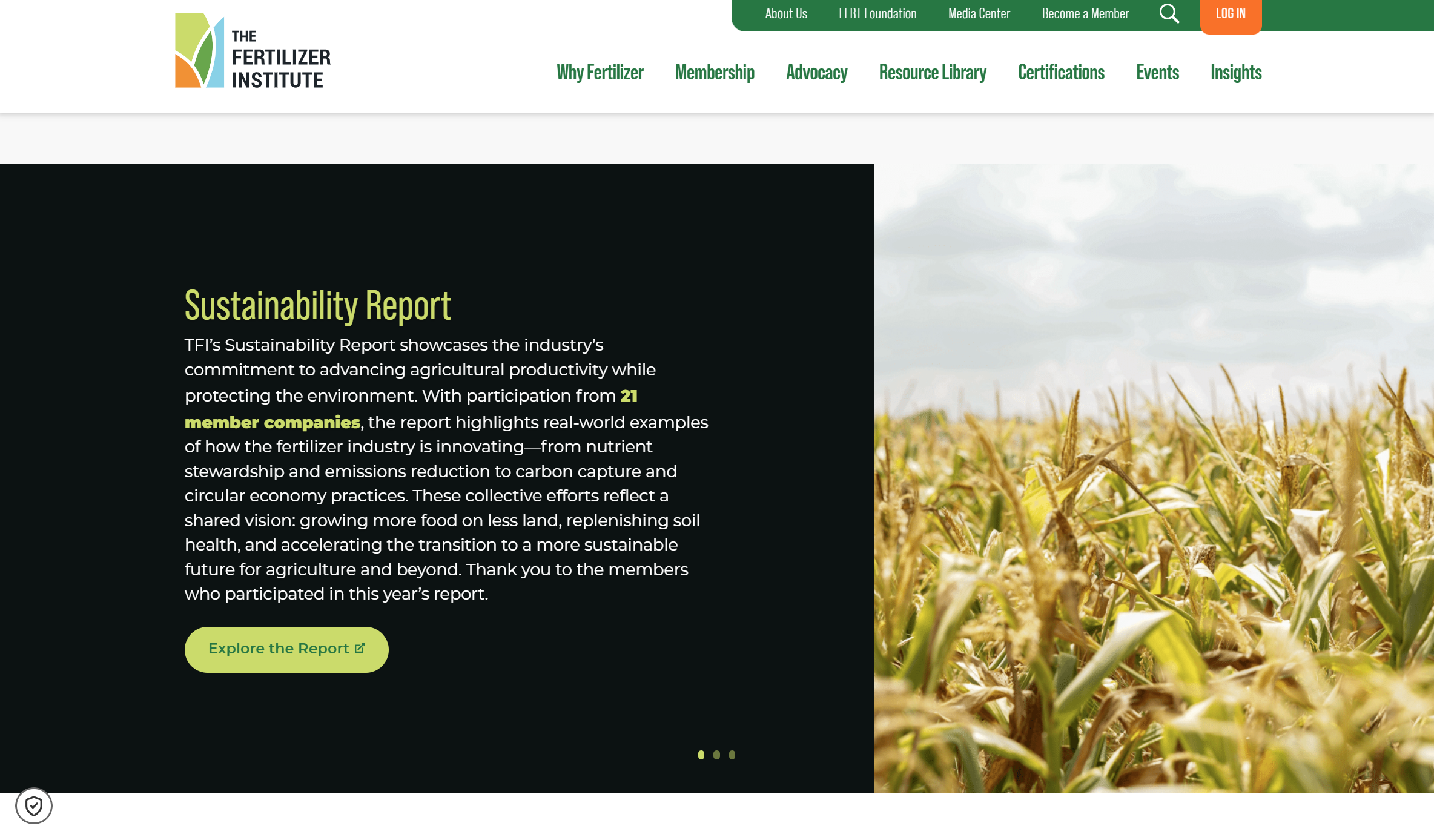
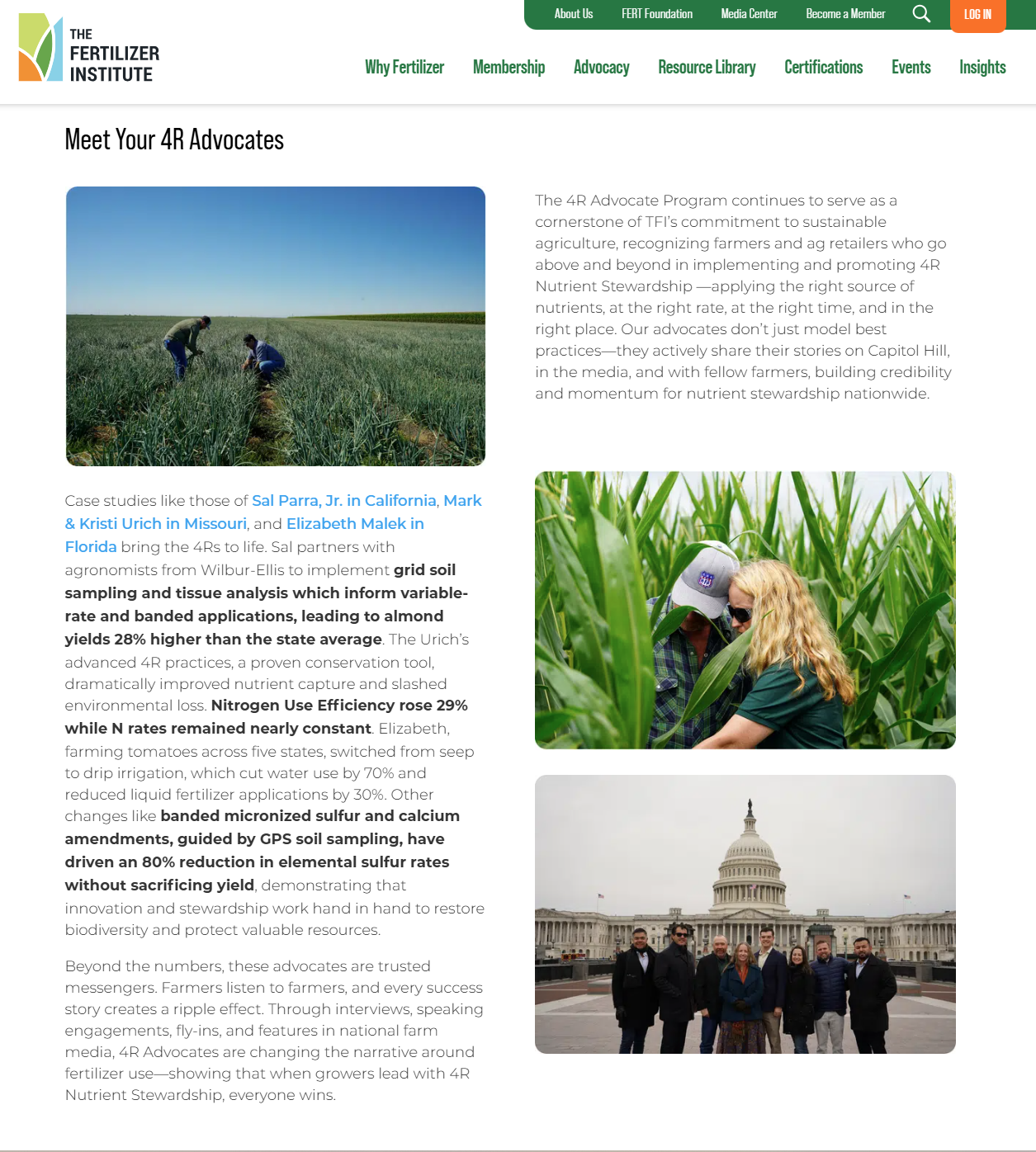
The report
Decisions
- Single narrative arc over a binder of updates. The default for industry annual reports is a stack of unrelated wins. I argued for one story spine and held the line through stakeholder review so the report would read as a piece of writing, not a recap.
- A distinct visual register, still recognizably TFI. The report needed to feel like its own object on a shelf — closer to a sibling than a copy of the parent brand. The agency executed; the call about how distinct was mine.
- Lock tone and hierarchy before agency execution. The Lukens Company was producing the design. The strategic calls about what mattered most this year had to be made early so production could move efficiently.
What I’d do differently
- Decide tone and hierarchy early. Annual reports benefit from upfront calls about what matters most — that decision should drive the design structure from the start, not the middle.
- Make the vision and timeline shared and visible. Internal trust and contributor clarity are downstream of one shared document everyone can point to.
- Coordinate with content contributors sooner. Earlier alignment with stakeholders reduces late-stage revisions and simplifies production.
Impact in context
- Helped shape a clear narrative arc for the report so it read as a story rather than a collection of updates.
- Maintained consistency with TFI's broader brand while still allowing the report to feel distinct and polished.
- Managed collaboration between internal stakeholders and the agency to keep the project moving on schedule.